Our Dermatology division is dedicated to driving progress in skin health by combining deep scientific expertise, innovative formulation technologies, and close collaboration with healthcare professionals worldwide. We focus on addressing significant unmet needs in dermatology with a strong commitment to compliance, transparency, and responsible communication.

Our capabilities in pharmaceuticals

GUT AND SKIN
Advancing care through expertise and innovation
Our pharmaceutical capabilities allow us to continue advancing scientific excellence in through our Dermatology and Gastroenterology divisions. Through collaborating with leading healthcare professionals and industry partners we aim to address significant health needs worldwide. We adhere to the highest regulatory and compliance standards in everything we do.
skin
Our commitment in Dermatology
We actively support the development and evolution of novel solutions for dermatological challenges.
Acne Vulgaris
1, 2
Our focus
Acne vulgaris is a chronic inflammatory skin disease, most prevalent in adolescents and young adults, often requiring individualised management over many years.
PrevalenceEstimated to affect up to 85% of adolescents and young adults worldwide, with a global burden of over 650 million people affected.
ImpactBeyond physical symptoms, acne has well-documented psychosocial effects, influencing quality of life, self-esteem, and long-term skin health.
Androgenetic Alopecia
3, 4
(In the pipeline - Phase 3)
Our focusThe most common form of hair loss among men, characterized by progressive thinning in a defined pattern.
PrevalenceAffects approximately 30–50% of men by the age of 50 globally, with prevalence over 40% in some countries.
ImpactEarly onset can have significant psychosocial consequences, motivating ongoing research toward novel interventions.
1
Dermatology Advisor. Acne vulgaris burden rate increases globally, differing by region and sex. Dermatology Advisor. 16 May 2024. Available from: https://www.dermatologyadvisor.com/news/acne-vulgaris-burden-rate-increases-globally/
2
Dermatology Advisor. Global study reveals population‑based trends in acne. Dermatology Advisor. 2024. Available from: https://www.dermatologyadvisor.com/news/global-study-reveals-population-based-trends-in-acne/
3
Sinclair R, Torkamani N, Jones L. Male androgenetic alopecia. In: Feingold KR, Anawalt B, Boyce A, et al., editors. Endotext [Internet]. South Dartmouth (MA): MDText.com, Inc.; 2000–. Updated 24 Jan 2023. Available from: https://www.ncbi.nlm.nih.gov/books/NBK278957/
4
Voronoi. Percentage of bald males by country. Voronoi Maps. 17 Oct 2024. Available from: https://www.voronoiapp.com/maps/Percentage-of-Bald-Males-by-Country-2765
GUT
Our commitment in Gastroenterology
We provide innovative solutions and scientific expertise in gastrointestinal health, driven by continuous research and a dedication to addressing unmet clinical needs.
Proprietary MMX® Technology
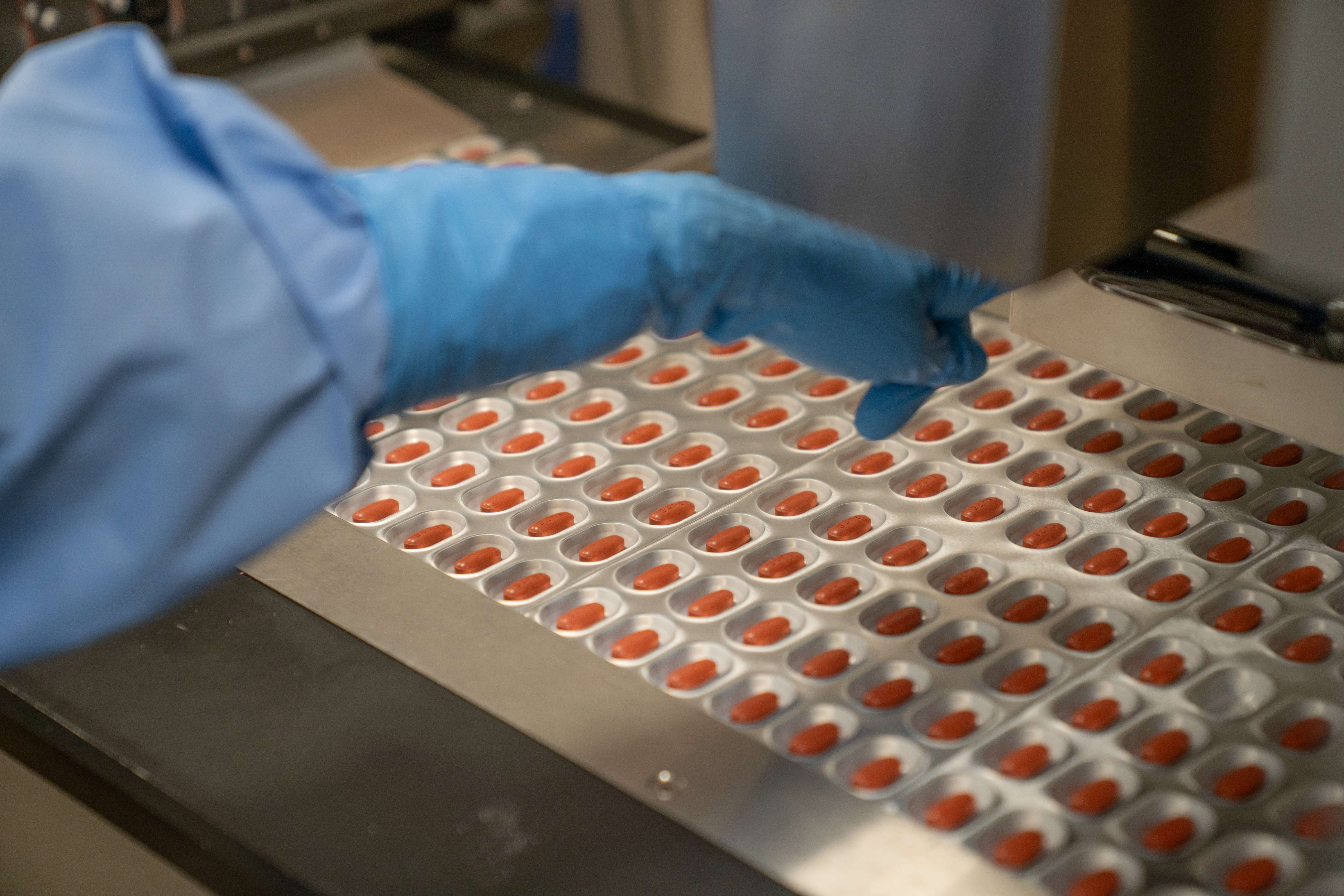
Our MMX® technology is a proprietary tablet coating designed to enable targeted drug delivery to specific areas of the gastrointestinal tract, supporting optimal therapeutic outcomes while reducing systemic exposure.
Explore the conditions we focus on through our science, research and therapies.
Distal Ulcerative Colitis
1, 2
OUR FOCUS
Ulcerative colitis, a form of inflammatory bowel disease (IBD) characterized by chronic inflammation of the colon.
PREVALENCEAffects 9–20 per 100,000 globally, with higher rates in North America and Europe; rising incidence in newly industrialized countries.
IMPACTLeads to symptoms such as abdominal pain, diarrhea, rectal bleeding, and can significantly reduce patient quality of life.
In the pipeline (Phase 2):
INDICATIONTargeted treatments (in development) for inflammation limited to the distal colon/rectum.
PREVALENCERepresents a subset of UC, requiring local/topical therapy approaches for optimal outcomes.
IMPACTProctitis and left-sided disease are significant causes of symptoms and healthcare utilization in UC patients.
Bile Acid Diarrhea
5
OUR FOCUS
Induction of remission in mild to moderate ulcerative colitis; also used in microscopic colitis management.
PREVALENCEIBD (including UC and Crohn’s) affects more than 6.8 million globally.
IMPACTChronic disease requiring long-term management to prevent flares and complications; substantial healthcare and societal burden.
In the pipeline (Phase 2):
INDICATIONNovel therapies in clinical development for diagnosis and management of bile acid diarrhea (BAD).
PREVALENCEBAD affects ~1% of the population, especially those with IBS-D.
IMPACTPersistent diarrhea, bloating, and abdominal pain can severely impair daily activities; often underdiagnosed.
Colonic Visualisation
3
OUR FOCUS
Diagnostic aid for visualization during colonoscopy (chromoendoscopy for detection of colonic lesions).
PREVALENCEPrevalence of colorectal cancer: Third most common cancer worldwide, with >1.9 million new cases annually. Early detection via colonoscopy is a key public health priority.
IMPACTEnhanced visualization improves polyp detection rates, which directly correlates to colorectal cancer prevention.
Travellers Diarrhea / Colonic Infections
4
OUR FOCUS
Treatment of traveler’s diarrhea caused by non-invasive strains of Escherichia coli; may also be explored for IBS-D.
PREVALENCETraveler’s diarrhea affects up to 40% of travelers to high-risk regions. Chronic diarrhea is a common and challenging presentation in GI clinics.
IMPACTLeads to significant morbidity, time lost from work/travel, and in certain populations, risk of dehydration and further complications.
Procedural Sedation
6
OUR FOCUS
Short-acting intravenous sedation for procedures such as endoscopy.
PREVALENCEOver 20 million GI endoscopy procedures performed each year in the US alone, with similar trends globally.
IMPACTSafe, effective sedation is crucial for high-quality, patient-friendly procedural care.
1
Zhang Y, Chen L, Huang X, et al. Global patterns in the epidemiology, cancer risk, and surgical impact of ulcerative colitis: a systematic review. J Transl Med. 2024;22(1):403. Available from: https://pmc.ncbi.nlm.nih.gov/articles/PMC11233070/
2
Miehlke S, Guagnozzi D, Zabana Y, et al. Microscopic colitis: pathophysiology and clinical management. Lancet Gastroenterol Hepatol. 2019;4(4):305‑314. Available from: https://www.thelancet.com/journals/langas/article/PIIS2468-1253(19)30333-4/fulltext
3
World Health Organization. Colorectal cancer. WHO fact sheet. Geneva: World Health Organization; 2023 [updated regularly]. Available from: https://www.who.int/news-room/fact-sheets/detail/colorectal-cancer
4
Hill DR. Travelers’ diarrhea. Curr Opin Infect Dis. 2010;23(5):481‑487. doi:10.1097/QCO.0b013e32833dfca5. Available from: https://pubmed.ncbi.nlm.nih.gov/20683261/
5
Slattery SA, Niaz O, Aziz Q, Ford AC, Farmer AD. Systematic review with meta‑analysis: the prevalence of bile acid malabsorption in the irritable bowel syndrome with diarrhoea. Aliment Pharmacol Ther. 2015;42(1):3‑11. Available from: https://eprints.whiterose.ac.uk/id/eprint/86190/ or https://eprints.whiterose.ac.uk/86190/3/MANUSCRIPT-REVISED%255B1%255D.pdf
6
Tholozan O, Marlicz W, Bisschops R, et al. British Society of Gastroenterology guidelines on sedation in gastrointestinal endoscopy. Gut. 2024;73(2):1‑29. Available from: https://gut.bmj.com/content/73/2/1 and ESGE summary: https://www.esge.com/assets/downloads/pdfs/guidelines/2024_a-2416-4866.pdf